
Image in. Virtual machine out.

Turn any Linux cloud image or Docker image into a real, isolated machine on hardware you own. Sealed by default, reversible in one reboot, and free on a single host.

Images all the way down.
The host, the machines, the apps.

One idea runs through the whole platform. Every layer starts as an image and is replaced by swapping that image — so nothing is assembled by hand, nothing drifts over time, and anything you change can be put back.

The host
is an image.

Install one sealed, read-only image on bare metal — an appliance, not a distribution to maintain. Upgrades swap it atomically, and one reboot puts the previous one back.

Every machine
starts from one.

Pick a Linux cloud image or a Docker image and get a running machine. No install media, no setup wizard to click through, no converting anything by hand.

Every app gets
its own machine.

The boundary around a workload is hardware virtualization, not a namespace or a cgroup. One workload getting loose does not become every workload getting loose.

Three standouts.
Everything else a serious host needs, built in.

Any Docker image,
as its own machine.

Take any Docker or OCI image and boot it as a real, hardware-isolated machine with its own kernel. Not a container sharing the host, and no manual conversion — the VM is the boundary.
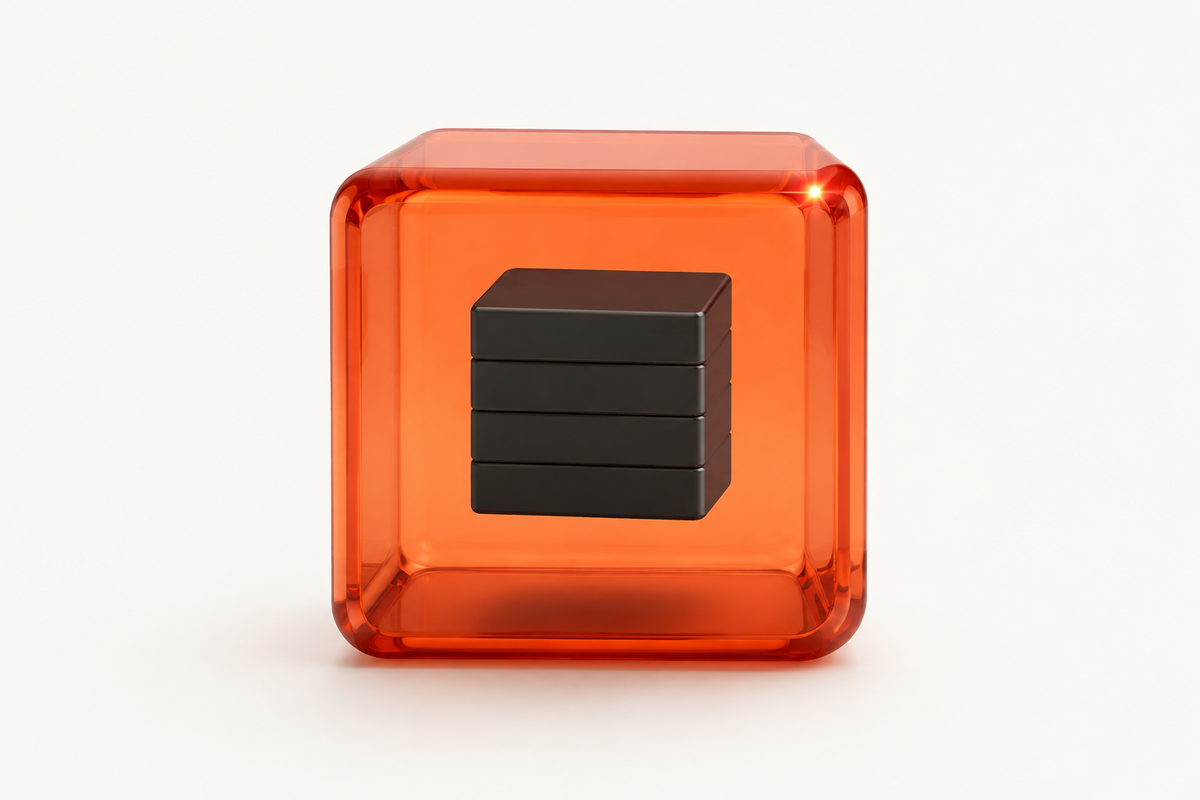
Boundary Hardware VM
Isolation Own kernel
Conversion Zero
A container image nested inside a transparent orange machine boundary.

A sealed host.
Undo just as fast.

The host system is a read-only, signed image — an appliance, not a distribution you have to keep maintained. Upgrades are an atomic swap to a new revision; the previous one stays ready. If something looks wrong, one reboot rolls the whole host back — no half-applied states.
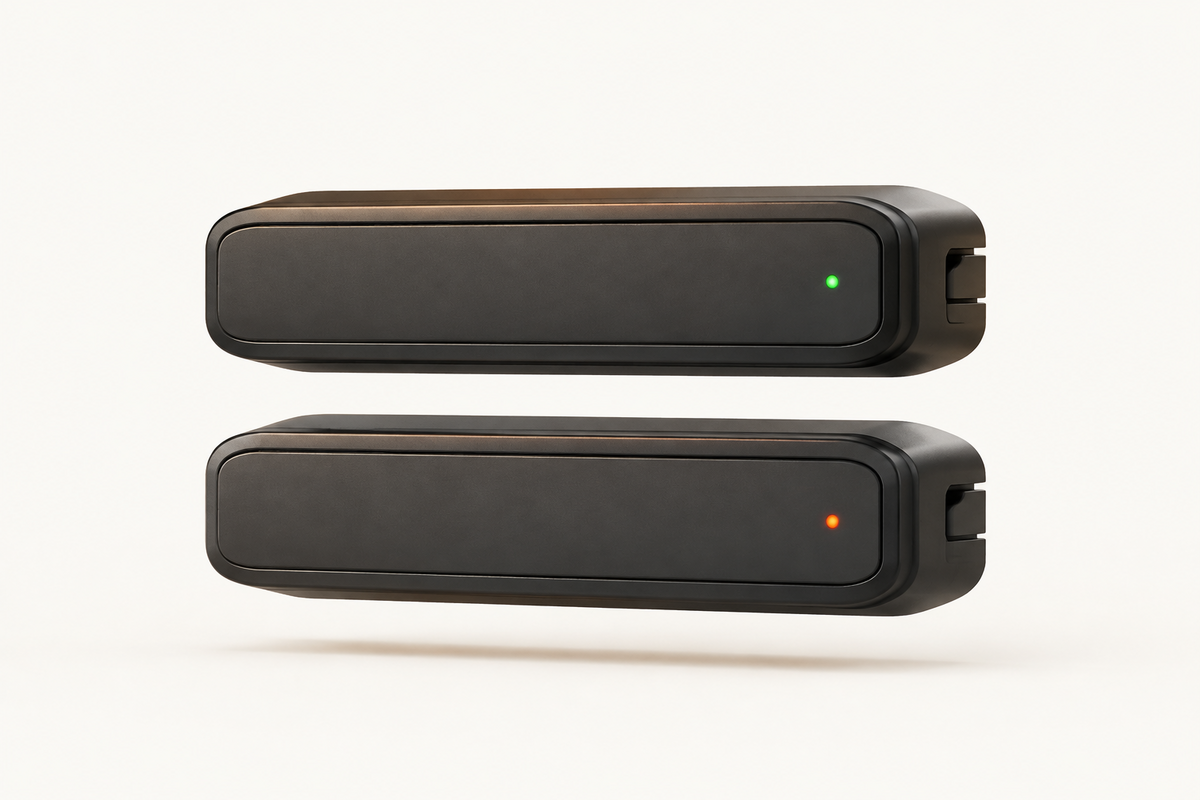
Upgrade Atomic swap
Rollback 1 reboot
Drift Zero
Two sealed cartridges stacked; one lit as live, the other staged.

Fewer parts.
Less to break.

You don't wire together Kubernetes, a container runtime, a networking plugin, and a storage plugin — then keep them all alive. Virtainer is one platform to install, one to run, one to update.

Services 1 · host
Plugins None
To run One thing
A tall stack of many mismatched pieces beside a single solid orange monolith.
And the essentials Everything else a serious host needs, included by default.

Full VM & AppVM.

A complete Linux server, or any Docker image running as a real machine.

Resilient by default.

Pool your drives with redundancy. A dead disk loses nothing; warnings arrive before failure.

Real L2 bridge.

Every machine gets a real spot on your network, with optional anti-spoofing and port isolation.

Caps and quotas.

CPU, memory, and disk I/O bounds per machine, with safe oversubscription.

Four numbers,
that shape the deal.

$0 forever, on a single host
0 per-core license fees
1 reboot to roll back the host
1N one host today, clusters on Pro

Leaving VMware?
Here's the short version.

What actually changes when you move one host to Virtainer. Multi-host clustering is deliberately left out of this table — that ships with Pro, and it is the one thing Free does not do.

Category VMware vSphere Virtainer
Cost model Per-core subscription $0 on a single host
Docker & OCI images A separate platform to run Run as real machines, built in
Host upgrade Patch and reboot Atomic image swap
Undo a bad upgrade Restore or reinstall One reboot
Management console A separate server to run Built into every host
Hardware Strict compatibility list Current commodity hardware
Vendor phone-home Account and license portal None

Two editions.
Two jobs.

Free — one server

Homelabs, dev and test, single-server production

A serious platform without the licensing or the labyrinth. Free, forever, on the host you already own.

Pro — multi-host cluster Coming soon

Teams running a fleet

Workloads that survive a failed server, managed from one place. A separate edition for clusters.

One host, free forever.
Clusters when you need them.

Install the complete single-host appliance today. Free is the single-host edition, in public beta and free with no license keys. Pro is a separate edition for multi-host clusters, priced when it ships.

Available now · beta

Free

$0 forever

For one physical server, labs, pilots, and any team that wants real VM isolation without per-core licensing.

  • Full Linux VMs & AppVM (Docker as a real machine)
  • Atomic host updates & one-reboot rollback
  • Built-in web console, terminal, and SSH
  • Resilient pooled storage & disk warnings
  • L2 bridged networking, anti-spoofing, port isolation
  • Batch create & reusable machine templates
Get Virtainer free
Coming soon

Pro

Priced at launch

A separate edition for running a multi-host cluster as one system.

  • Manage a multi-host cluster from one place
  • Recover workloads after host failure
  • Move workloads between hosts
Ask about Pro

Common questions.

01 Is Virtainer really free? +
Virtainer Free is free forever and currently in public beta. It runs an unlimited mix of VMs and AppVMs on a single host you own, with no per-core licensing, no per-VM licensing, and no vendor phone-home.
02 We are moving off VMware. Is Virtainer a fit? +
If you run a single host, yes: there is no per-core subscription, the management console is built into the host itself, and Docker images run as real machines without a second platform. Multi-host clustering is not here yet — that is the upcoming Pro edition — so a fleet that depends on clustering today should wait for Pro.
03 What is the difference between a VM and an AppVM? +
A VM boots a full Linux cloud image. An AppVM takes any Docker or OCI image and runs it as a real, hardware-isolated machine — so a container workload gets machine-grade isolation without you converting anything by hand.
04 Do I need Kubernetes or a separate control plane? +
No. Virtainer Free runs on a single host with no Kubernetes and no plugin sprawl. You install one host appliance and manage every VM and AppVM from its built-in web UI.
05 How do I roll back a host upgrade? +
Host upgrades are an atomic image switch. If an upgrade looks wrong, a single reboot rolls the host back to the previous image — a change is reversible in one reboot.
06 Will it run on my hardware? +
Virtainer ships as a self-contained appliance image on a current Linux kernel, so it supports commodity server and workstation hardware broadly — including network cards that stricter enterprise compatibility lists leave out. It needs a 64-bit x86 machine with hardware virtualization enabled in firmware.
07 Can Virtainer run across multiple hosts? +
Multi-host clustering is the upcoming Pro edition, a separate product for teams running a fleet. Free is single-host today, with workloads movable between hosts on Pro.

Run your own machines,
your own way.